

Key Takeaways
- Shipping protection for jewelry replaces standard carrier liability caps with a dedicated financial safety net based on your declared value.
- Standard parcel couriers typically default to a maximum payout of just one hundred dollars per package, leaving high-value jewelry severely exposed.
- Proper packaging is an underwriting requirement, and insufficient packing is an absolute exclusion under standard cargo insurance, ShipSimple’s included.
- Parcel shipments have no deductible. A freight deductible may apply, depending on the goods, and is shown on your certificate.
- The claims process requires tracking showing non-delivery once the carrier’s waiting period has passed, with no need to prove carrier negligence.
Shipping protection for jewelry is a specialized transit policy that covers high-value accessories against physical loss or damage from warehouse to warehouse.
The global online jewelry market continues to expand rapidly. Statista reports the global online jewelry market is projected to reach $117 billion by 2027 (Source: https://www.statista.com/statistics/715504/global-jewelry-market-size/). As transaction volumes grow, the logistical challenges of moving high-value, easily concealable items across complex supply chains multiply. Retailers, private sellers, and auction houses face a constant battle against transit risks. Relying on default carrier terms is a critical vulnerability. Securing dedicated shipping protection for jewelry is a fundamental requirement for margin stabilization and capital preservation.
Understanding Shipping Protection for Jewelry
Shipping protection for jewelry provides financial indemnity based on your declared value when transit events cause physical loss or damage. This coverage replaces standard carrier liability caps with a dedicated policy. Shippers secure this protection to mitigate the financial impact of theft, collision, or mysterious disappearance during transit.
The Mechanics of Shipper’s Interest Coverage
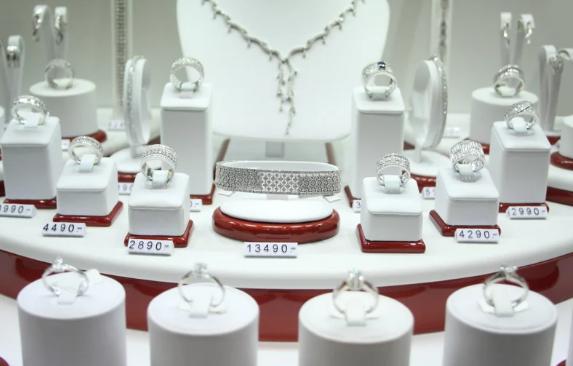
When you purchase shipping protection for jewelry, you are securing a shipper’s interest policy. This means the policy insures the goods themselves, not the carrier’s liability. The coverage attaches from warehouse to warehouse, meaning it protects the item from the moment it leaves the origin premises until final delivery, including the risk of loading and unloading. This is a critical distinction. You are not buying an extended warranty from the courier. You are securing a distinct financial instrument designed to make you whole if a covered peril destroys or loses your shipment.
The Financial Impact of Transit Loss
The financial consequences of an uninsured loss are severe. If a $15,000 diamond engagement ring disappears in a sorting hub, the loss extends beyond the wholesale cost of the item. It impacts cash flow, disrupts customer relationships, and damages brand reputation. The National Retail Federation reports that retail shrink, which includes transit loss, reached $112.1 billion in 2022 (Source: https://nrf.com/research/national-retail-security-survey-2023). Businesses that fail to implement shipping protection for jewelry absorb these losses directly onto their balance sheets.
The Role of Automated Platforms
Modern logistics require speed. Traditional insurance procurement often involves lengthy applications and manual underwriting delays. Today, automated platforms allow shippers to bind shipping protection for jewelry in under 2 minutes. By declaring the value and paying a premium based on the commodity class, shippers transfer the transit risk to an underwriter before the courier ever scans the barcode. This proactive approach is essential for scaling operations safely.
The Devastating Reality of Carrier Liability Limits
Carrier liability limits cap your financial recovery at a fraction of the item’s invoice product cost, or CIF + 10% recommended, elected when you book, leaving shippers exposed to massive losses. Standard parcel couriers default to a maximum payout of just one hundred dollars per package. For larger freight movements, the carrier limit is $4.41 per kilogram ($2 per pound) on a standard bill of lading, unless a higher value is declared.
Strategic Snapshot: Carrier Liability vs. All-Risk Insurance
| Feature | Standard Carrier Liability | ShipSimple All-Risk Insurance |
|---|---|---|
| Valuation | Weight-based maximums or strict default caps | Invoice product cost, or CIF + 10% recommended, elected when you book |
| What You Need to Claim | Proof the carrier was negligent | Photos and a description of the damage (for freight, plus a repair estimate or third-party confirmation), or tracking showing non-delivery once the carrier’s waiting period has passed, with no need to prove carrier negligence |
| Claim Time | Can take months | Filed online and paid directly to you, with no need to prove carrier fault |
| Shared Exclusions | Denied | Excluded unless caused by an insured peril |
Why the Default $100 Cap Fails Luxury Shipments
Parcel couriers like Canada Post, FedEx, UPS, DHL, and Purolator operate massive, high-speed networks. To maintain efficiency and predictable pricing, they strictly limit their financial exposure. The default liability for a standard parcel is typically $100. If you are shipping high-value jewelry, this cap is entirely inadequate. A lost $5,000 necklace results in a $4,900 unrecoverable loss. The carrier’s terms and conditions are designed to protect the carrier, not the shipper. Relying on this default limit is a fundamental error in risk management.
The Burden of Proving Carrier Negligence
Under standard carrier liability, recovering even the limited default amount requires the shipper to prove the carrier was negligent. This is a difficult standard to meet. Carriers have teams dedicated to defending against claims. If a package is damaged, the carrier will often point to insufficient packaging as the cause, shifting the blame back to the shipper. Dedicated shipping protection for jewelry changes this dynamic. You collect on proof of physical loss or damage rather than proof of carrier negligence.
The $4.41 Per Kilogram Standard Bill of Lading Rule
While finished jewelry typically moves via parcel couriers, businesses relocating entire retail store fixtures or bulk commercial displays often rely on freight networks. ShipSimple’s sister company, RailGateway, provides B2B intermodal rail freight across Canada for these larger commercial movements. When moving goods via freight, the carrier limit is $4.41 per kilogram ($2 per pound) on a standard bill of lading, unless a higher value is declared. A 50-pound display case containing commercial jewelry stock would yield a maximum payout of just $100 under this weight-based formula. This highlights why carrier liability for jewelry and related commercial goods is never sufficient.
Primary Transit Risks for High-Value Jewelry
The primary transit risks for high-value jewelry include targeted theft, mysterious disappearance, and severe physical impact during sorting and transport. Small parcels face a high probability of misrouting or crushing under heavier boxes on automated conveyor belts. Shippers must engineer out risks like temperature variation and inherent vice, as these are absolute exclusions under standard cargo policies, ShipSimple’s included.
Package Theft and Fictitious Pickups
Theft is a dominant threat in modern logistics. CargoNet reports a 59% increase in cargo theft in Q3 2023 across the US and Canada (Source: https://www.cargonet.com/news-and-events/cargonet-in-the-media/q3-2023-theft-trends/). Jewelry shipments are prime targets because they are small, lightweight, and highly valuable. Porch piracy is also rampant. Security.org reports 44 million Americans had a package stolen in 2023 (Source: https://www.security.org/package-theft/annual-report/). Sophisticated theft rings also employ fictitious pickups, where criminals pose as legitimate couriers to steal goods directly from the loading dock. Shipping protection for jewelry is vital to recover from these targeted attacks.
Physical Impact and Crushing Damage
Parcel sorting facilities process millions of packages daily. The Pitney Bowes Parcel Shipping Index reports global parcel volume reached 161 billion in 2022 (Source: https://www.pitneybowes.com/us/shipping-index.html). In these high-speed environments, small jewelry boxes travel on conveyor belts alongside heavy automotive parts and industrial supplies. A jam on a sorting chute can result in a 50-pound box crushing a delicate jewelry parcel. Physical impact, crushing, and collision are standard perils that necessitate robust shipping protection for jewelry.
Cosmetic Damage and Transit Vibration
When delicate items move through the supply chain, cosmetic damage is a frequent concern. A loose gemstone might scratch a metal setting, or a watch face might sustain a chip if the internal packaging fails. It is critical to understand how insurance responds to this. Scratching, denting, marring, and chipping are excluded under standard cargo insurance, ShipSimple’s included, unless caused by an insured peril. If a delivery truck overturns and the resulting impact chips a diamond, the claim is valid. If the chip occurs because the item rattled loosely inside its box during normal transit vibration, it is not covered.
Environmental Exposure and Temperature Variation
Jewelry can be sensitive to extreme environmental conditions. High humidity can tarnish certain metals, and extreme temperature shifts can affect adhesives used in some settings. However, insurance is designed to cover sudden, unforeseen physical loss, not natural degradation. Temperature variation is an absolute exclusion under standard cargo policies. Shippers must use appropriate climate-controlled logistics or specialized packaging to mitigate these environmental risks, as shipping protection for jewelry will not cover damage resulting solely from temperature changes.
How to Package Jewelry to Meet Insurance Warranties
Proper packaging requires professional crating or boxing that prevents internal movement and conceals the high-value nature of the contents. ShipSimple policies carry a “Warranted Professionally Packed” condition for jewelry and watches, making strict adherence to packaging standards an underwriting requirement. Insufficient packing is an absolute exclusion under standard cargo insurance, ShipSimple’s included.
The Professional Packing Requirement
Insurance policies are contracts, and they require the insured to take reasonable steps to protect their goods. For high-value commodities, this is formalized as a warranty. The “Warranted Professionally Packed” condition means that the shipper must use industry-standard materials and techniques. Tossing a diamond ring into a standard paper envelope violates this warranty. If a claim arises and the investigation reveals that the packaging was substandard, the claim will be denied. Insufficient packing is an absolute exclusion, meaning the shipper bears full responsibility for engineering out the risk of normal transit vibration.
Inner Cushioning and Suspension
The goal of inner packaging is to immobilize the item. Finished jewelry should be placed inside a primary container, such as a hard-shell velvet ring box or a padded presentation case. This primary container must then be suspended inside a larger, rigid corrugated shipping box. Shippers should use dense foam, bubble wrap, or specialized suspension inserts to ensure the primary container cannot touch the inner walls of the outer box. If you shake the sealed package, you should hear and feel absolutely zero movement. This prevents the item from sustaining damage during routine handling.
Discreet Outer Packaging Protocols
When shipping high-value jewelry, anonymity is your best defense against theft. The outer packaging must be entirely discreet. Never use boxes with luxury brand logos, and never include words like “Jewelry,” “Diamonds,” or “Gold” on the shipping label or return address. Use a generic corporate name or an abbreviation. Secure the outer box with high-quality, tamper-evident tape. This tape leaves a visible residue if removed, alerting the recipient and the carrier to potential tampering. Proper outer packaging is a critical component of maintaining valid shipping protection for jewelry.
Documenting the Packing Process
To ensure a smooth claims experience, shippers must document their adherence to packaging warranties. Take clear, well-lit macro photographs of the jewelry before it goes into the primary box. Take photos of the primary box suspended in the cushioning material. Finally, take a photo of the sealed outer box with the shipping label clearly visible. This photographic evidence proves that the item was in perfect condition and professionally packed before the carrier took possession. It eliminates ambiguity and accelerates the resolution of any future claims.
The Claims Process for Lost or Damaged Jewelry
The claims process requires shippers to provide clear evidence of physical damage or tracking data confirming non-delivery. You submit photos and a description of the damage, or tracking showing non-delivery once the carrier’s waiting period has passed, with no need to prove carrier negligence. This structure accelerates resolution compared to standard carrier disputes.
Documenting Non-Delivery and Theft
If a package disappears in transit, the process is straightforward. You do not need to launch a complex investigation into the carrier’s internal operations. The claim can proceed once the carrier’s waiting period has passed, using tracking that shows non-delivery. If the tracking shows the package stalled at a sorting hub for weeks, or if it was destroyed in a known vehicle fire, the tracking data serves as the primary evidence. Shipping protection for jewelry lets you claim based on this clear data, rather than waiting months for a carrier to admit fault.
Photographing Physical Damage
If a package arrives damaged, immediate action is required. The recipient must retain all original packaging materials, as these are necessary for the inspection process. The shipper or recipient must take detailed photographs of the damaged outer box, the internal cushioning, and the damaged jewelry itself. These photos, along with a description of the damage, form the basis of the claim. Because you have dedicated shipping protection for jewelry, you do not have to prove the carrier was negligent. You only have to prove that physical damage occurred during the insured transit period.
Internal Mechanism Failures
Some luxury watches feature complex mechanical movements or electronic components. If a watch arrives and the internal mechanism is not functioning, but the outer box and the watch case show absolutely no signs of physical impact, this presents a specific insurance scenario. Mechanical and electrical derangement is excluded under standard cargo insurance, ShipSimple’s included, unless caused by an insured peril. There must be external evidence of a transit event, such as a crushed box or a severe impact, to trigger coverage for internal mechanical failure.
Speed of Resolution
One of the primary benefits of dedicated shipping protection for jewelry is the speed of claim resolution. Carrier liability disputes can drag on for months, tying up capital and frustrating customers. With a specialized all-risk policy, the process is streamlined. Once all required documentation is submitted and the claim is approved, settlement is typically issued. This rapid liquidity allows businesses to replace inventory, refund customers, and maintain operational stability without severe financial disruption.
Securing All-Risk Coverage Through ShipSimple
Securing all-risk coverage through ShipSimple involves a three-step online workflow that binds protection in under 2 minutes before the carrier takes possession. You input product details, shipment details, and address details to generate an immediate quote. This automated platform protects the value inside the box while couriers like FedEx, UPS, or Canada Post handle the physical movement.
Valuation at Invoice Cost or CIF + 10%
When you insure luxury jewelry shipments, establishing the correct valuation is critical. ShipSimple’s default valuation basis is declared and rated at invoice product cost. However, shippers can choose to insure on a CIF + 10% basis, elected when you book. CIF stands for Cost, Insurance, and Freight. Adding 10% to this total helps cover the hidden administrative costs associated with replacing a lost shipment. This valuation structure means that you are protected up to your declared value, rather than fighting over depreciated estimates or weight-based tariffs.
Understanding the Deductible for Jewelry
Insurance policies utilize deductibles to share risk and eliminate minor, administrative claims. It is vital to understand the specific deductible schedule for your commodity. This clear, predictable structure allows shippers to calculate their exact financial exposure before the package ever leaves the facility.
High Limits for Parcel Shipments
Standard couriers often refuse to accept declared values above a few thousand dollars for jewelry. ShipSimple provides robust capacity for high-value goods. The platform offers limits up to $250,000 for Parcel shipments, with higher limits available per-customer upon review. This extensive capacity allows jewelers, auction houses, and private collectors to ship premium pieces with total confidence. ShipSimple provides shipping insurance only. The carrier moves the box, and ShipSimple protects the value inside.
The Three-Step Automated Booking Workflow
The ShipSimple platform is designed for operational efficiency. The workflow consists of three simple steps: Product Details, Shipment Details, and Address Details. You enter the commodity, the declared value, the carrier, and the destination. The system generates an instant, transparent online quote. Once accepted, the coverage is bound immediately. This allows businesses to secure shipping protection for jewelry in under 2 minutes, ensuring every high-value package is protected before it enters the courier network.
- Get an Instant Shipping Insurance Quote Now
- Learn More About Our All-Risk Damage, Loss, & Theft Coverage
- Contact Our Experts to Secure Your 2026 Shipments
Additional Resources
- Learn More About ShipSimple’s All-Risk Shipping Insurance
- ShipSimple’s Freight & Marine Cargo Shipping Insurance
- ShipSimple’s Parcel Shipping Insurance
- More Helpful Blogs
- Couriers vs. ShipSimple: Why Courier Insurance Fails Luxury Watch Sellers
- 7 Costly Mistakes That Kill Profits When Shipping Valuable Goods in Canada
Frequently Asked Questions
What does shipping protection for jewelry cover?
Shipping protection for jewelry covers physical loss or damage caused by transit events like theft, collision, or mysterious disappearance. It attaches from warehouse to warehouse, ensuring your high-value items are protected until final delivery.
How is the deductible calculated for jewelry shipments?
What packaging is required for jewelry shipping insurance?
Jewelry shipments are subject to a Warranted Professionally Packed condition. You must use rigid outer boxes, secure inner cushioning, and discreet labeling. Insufficient packing is an absolute exclusion under standard cargo insurance, ShipSimple’s included.
How long does a jewelry shipping claim take?
Once all required documentation is submitted and the claim is approved, settlement typically occurs. This rapid resolution is a primary advantage of using dedicated shipping protection for jewelry over standard carrier liability.